How Body Temperature Rhythms Reflect Sleep, Stress, and Lifestyle Habits
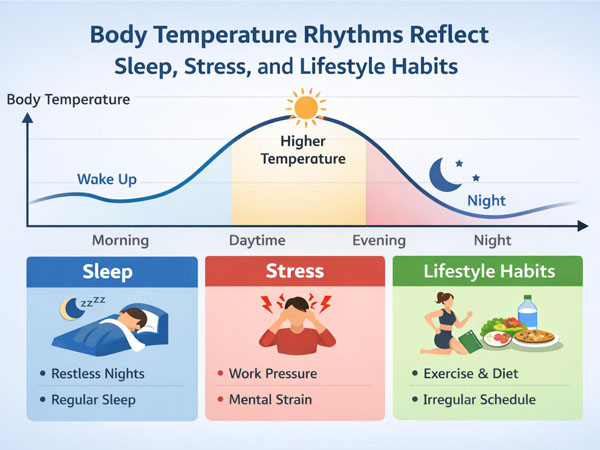
The human body follows natural rhythms that reflect daily habits and overall well-being. Body temperature is one of these important signals, subtly changing throughout the day in response to sleep quality, stress levels, and lifestyle patterns.
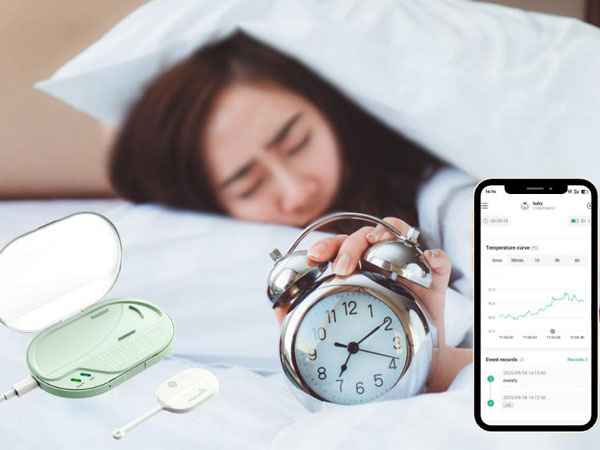
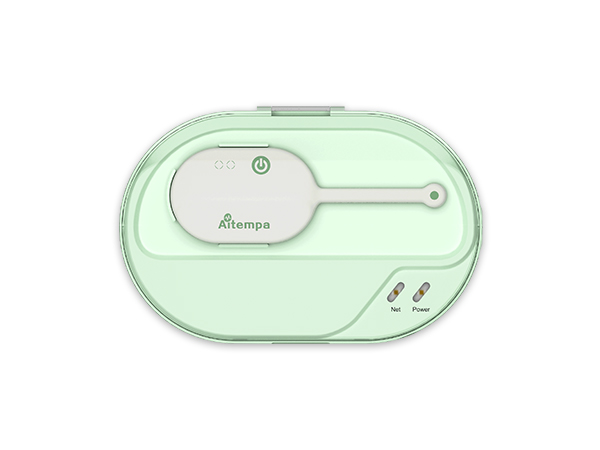
By tracking temperature trends over time, it becomes possible to gain deeper insight into how daily routines and environmental factors affect the body. Designed for home health monitoring, the Aitempa home wellness monitor helps users observe these temperature rhythms easily and consistently, turning everyday data into practical wellness insights.
1. Body Temperature Rhythm and Sleep Quality
Body temperature follows a natural daily rhythm, typically decreasing at night and rising toward morning. This pattern is closely linked to sleep timing and consistency. When sleep schedules are regular, temperature trends tend to show predictable nighttime drops and stable morning recovery.
What you can observe at home:
Delayed nighttime temperature drops may reflect late bedtimes or irregular sleep schedules
Frequent nighttime fluctuations may be associated with disrupted sleep patterns
Stable overnight patterns often align with consistent rest routines
By continuously tracking temperature overnight, the Aitempa home wellness monitor allows users to compare sleep-related temperature patterns across days, making it easier to understand how bedtime habits and sleep duration affect the body’s natural rhythm. Its ±0.1 °C accuracy and IP67 rating support reliable long-term use in everyday environments.
2. Temperature Trends Related to Stress and Lifestyle Habits
Daily stress and lifestyle habits often appear in temperature data as irregular or unstable trends rather than sudden changes. Extended working hours, high mental workload, intense physical activity, and inconsistent daily routines may all influence how steadily body temperature fluctuates throughout the day.
Practical insights from long-term tracking:
Larger daytime temperature swings may appear during high-pressure periods
Irregular daily routines can lead to less predictable temperature patterns
Consistent schedules and balanced activity often result in smoother trends over time
With continuous 24-hour monitoring, the Aitempa home wellness monitor allows users to review temperature data across workdays, rest days, and lifestyle changes, helping them identify routines that support better daily balance. Its long battery life supports extended continuous use on a single charge.
3. Turning Temperature Data into Practical Home Health Awareness
The value of temperature monitoring lies not in isolated readings, but in recognizing patterns over time. By tracking body temperature continuously in everyday environments, users can build a clearer picture of how sleep, stress, and lifestyle habits interact.
How Aitempa fits naturally into daily life:
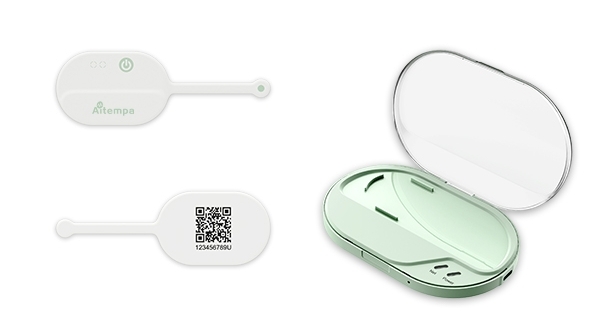
Supports continuous, worry-free temperature tracking at home through easy mobile phone connection
Visualizes long-term trends rather than isolated measurements via a free mobile app
Helps users connect daily routines with physical responses
Through consistent use, the Aitempa home wellness monitor transforms temperature data into actionable personal insights, supporting better awareness of daily rhythms and healthier lifestyle choices at home.