How Wearable Temperature Trackers Are Improving Personal Temperature Awareness
Most people only think about body temperature when they are sick. A thermometer is usually used to confirm whether someone has a fever, and once the reading is taken, the device is put away. However, body temperature is not constant throughout the day. It can change slightly with physical activity, surrounding temperature, sleep, or even stress. Because traditional thermometers only show a single moment of data, these small but normal fluctuations are rarely noticed. So, how are wearable temperature trackers improving personal temperature awareness?
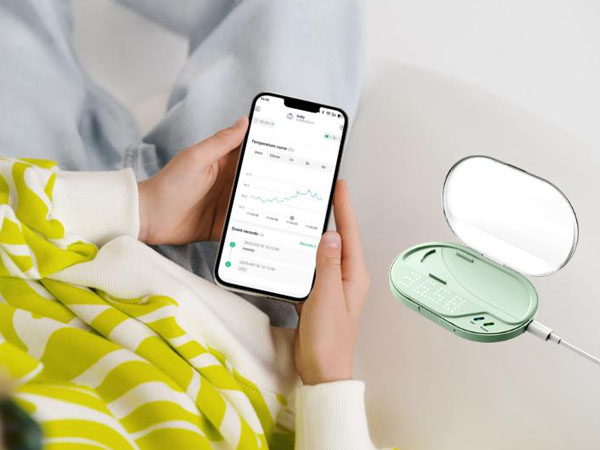
Wearable technology is beginning to change this. Instead of checking temperature occasionally, wearable temperature trackers can record temperature data continuously, just attach to your armpit. Over time, this creates a temperature record rather than a single reading. For example, a user may notice that their body temperature gradually rises after exercise, drops during sleep, or changes in different indoor environments.
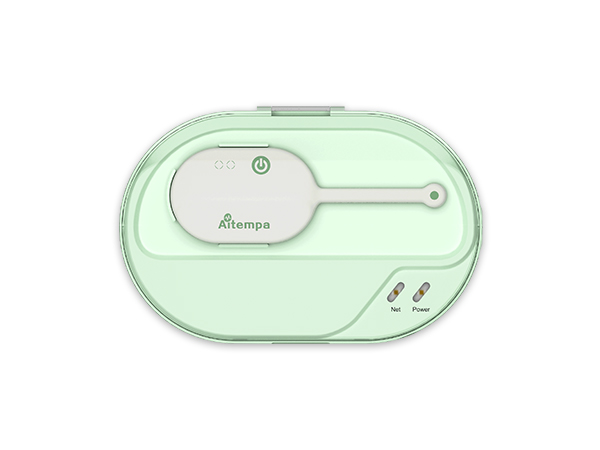
Devices designed for temperature tracking make this process simple. Aitempa, a wearable temperature tracker, records body temperature over long periods and stores the data for review. Instead of relying on occasional measurements, users can look at trends and see how their temperature changes throughout the day.
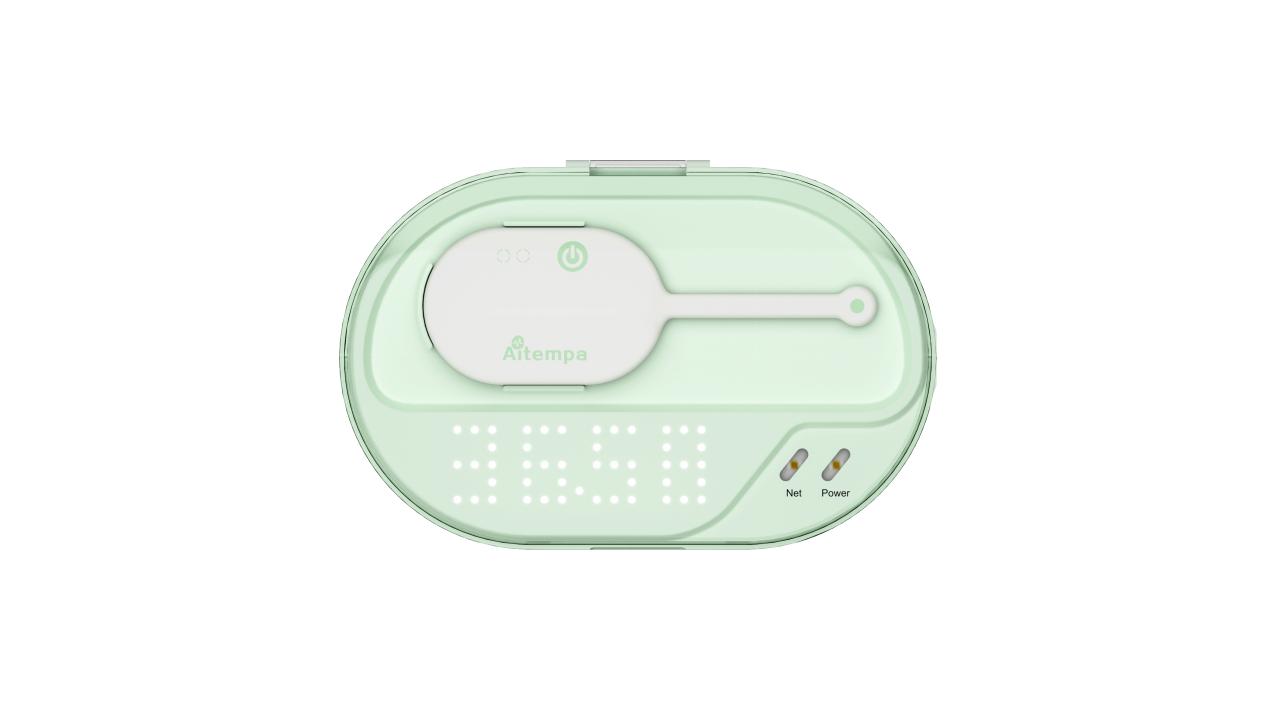
As wearable temperature monitoring becomes more common, temperature tracking is slowly shifting from occasional measurement to long-term observation. Having access to this kind of data allows people to better understand their own patterns rather than relying only on brief measurements. In this way, wearable temperature tracker is helping turn a simple temperature reading into a clearer picture of how the body responds to daily conditions.